





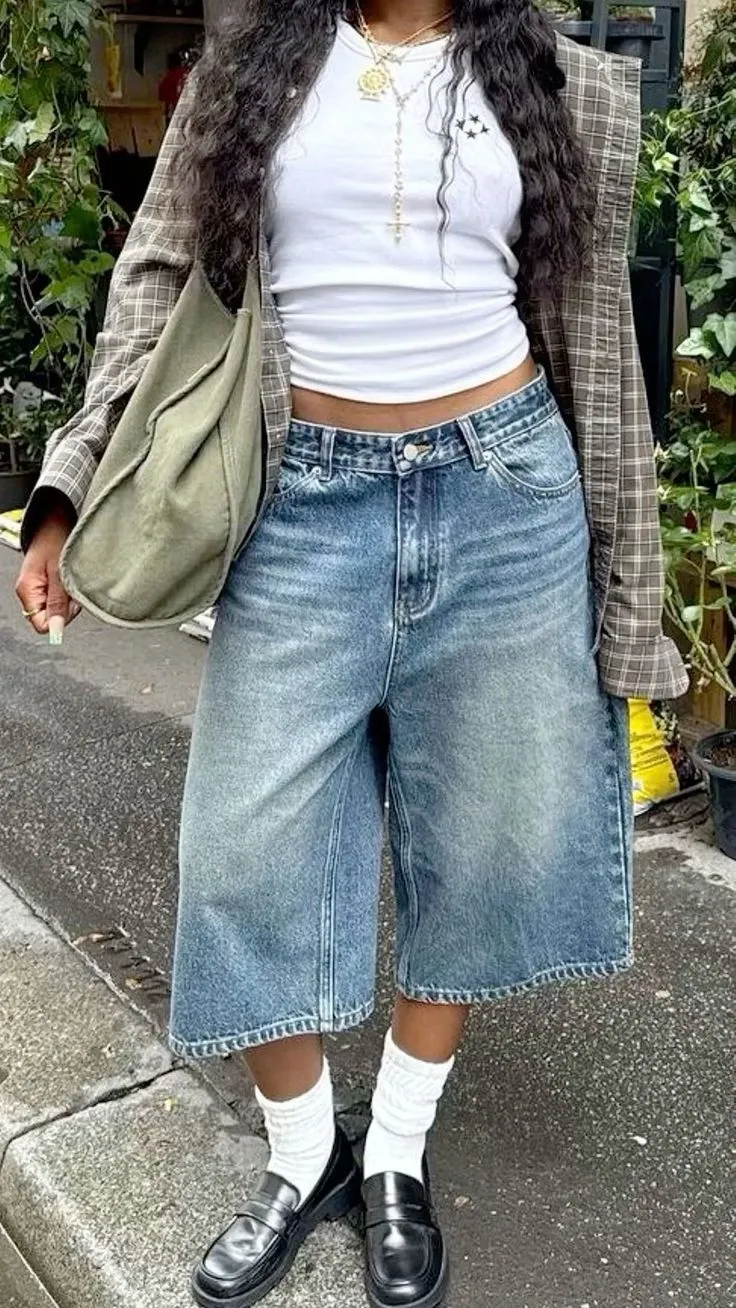
Jorts are denim shorts, made either by cutting old jeans into a shorter length or bought ready made from a store. The word blends jeans and shorts into one term, and while it can technically mean any denim short, most people today use it for the baggy, oversized style worn by men and women across the United States. If you have ever wondered what this term means, why it sounds funny, or why some people love the look while others joke about it, this guide covers it all, from the fabric they are cut from to the way they have moved in and out of fashion for more than sixty years.
Denim shorts seem simple on the surface but carry real cultural baggage. A single pair can read as thrifty, ironic, or genuinely fashionable, depending on the cut, the wash, and who is wearing it.
What Are Jorts?
Jorts are shorts made from denim fabric. They can be homemade, created by cutting the legs off an old pair of jeans, or they can be factory made, built from scratch just like regular jeans. They come in many lengths, from short cutoffs above the knee to longer styles that reach closer to the shin.
The term is used in two ways. In a broad sense, it means any pair of denim shorts, no matter the length or fit. In a narrower and more common sense, it refers to a specific look: oversized, loose fitting denim shorts that hang past the knee and are often worn by men.
This second meaning is the one most people picture when they hear the word jorts today. A true pair of jorts is finished on purpose, hemmed or frayed with intention, rather than a leftover from cutting jeans by accident. That distinction matters to people who care about the style, since a hastily cut pair of old jeans reads very differently from a deliberately designed garment sold under that name.
The word can also function as both a mass description and a product name. Someone might say I need new jorts the way they would say I need new jeans, treating it as a category rather than a single countable item.
The Meaning and Origin of the Word
Jorts is a portmanteau, a blend of two words squeezed into one. It combines jeans and shorts. Language experts first noticed the word being used in the 1990s, though it did not appear in major dictionaries right away.
- First attested in casual use during the 1990s
- Added to Oxford Dictionaries in 2013
- Added to Merriam Webster in 2023, officially recognizing it as a real English word
Many writers note that part of the word’s popularity comes from how funny it sounds. Short, blunt terms like this one tend to stick in people’s memory, which is one reason it spread so quickly online and in everyday conversation. There is also a long tradition of playful denim related portmanteaus, from skort to jeggings, and this term fits neatly into that lineage.
So what does the word mean in simple terms? The singular refers to a denim short, and the plural is used the same way most people say shorts or pants. The core definition has not changed much since the word was coined. What has changed is the style attached to it, since the term today often points to something more specific than plain denim shorts, carrying connotations of bagginess, casualness, and a slightly self aware sense of humor about its own reputation.
Are They the Same as Jean Shorts?
This is one of the most common questions people ask. Technically, yes. Jorts are jean shorts. The word is simply a casual, shortened way of saying jean shorts. Every pair fits that broader category, but not every jean short earns this particular nickname in everyday speech.
- Jean shorts is the neutral, general term used in stores and product listings
- The nickname carries more personality, and usually points to a loose, roomy fit, worn by men, sometimes on purpose as a throwback or ironic fashion choice
- Daisy Dukes, a much shorter and tighter style, is technically also a jean short but rarely gets called by this name, since it is tied to the baggier look
This style is a category within jean shorts, with its own reputation and identity. A boutique might sell denim shorts in its catalog copy, while shoppers online will happily call the same product jorts if it has that recognizable loose, roomy silhouette.
A Brief History of the Style
Understanding where this look came from helps explain why it carries so much cultural weight today. Denim shorts have a history that stretches back decades before the word itself even existed.
Counterculture Roots in the 1960s
Denim shorts trace back to the counterculture movement of the 1960s. Before this period, shorts were often seen as too casual for public wear. As they became more accepted, people began cutting their jeans shorter to beat the summer heat, and the category was born. Early versions were rough and unfinished, cut at home rather than designed in a factory, giving them a homemade quality that fit the era’s cultural mood.
Punk, Hip Hop, and Skate Culture
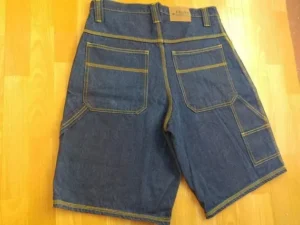
In the decades that followed, this look became linked to different subcultures. Punk musicians wore cutoffs on stage in the 1970s. Skaters and surfers picked up baggy denim shorts in the 1980s because the loose fit allowed a full range of motion. Hip hop artists in the 1990s made the oversized version a signature look, pairing it with sneakers and loose tops. This is also the era when wrestlers and athletes adopted the style as part of their public image, and when the word jorts itself started circulating in casual speech.

The Quiet Years
Not every decade has been kind to baggy denim shorts. During the 2000s and early 2010s, fashion swung hard toward slim silhouettes, and anything oversized was pushed to the margins. The style survived mostly as a punchline, kept alive by comedians and a handful of subcultures that never abandoned the loose fit.
The 2020s Revival
Long, baggy denim shorts made a strong comeback in the early 2020s. What used to be seen as an unfashionable dad style suddenly became popular again, worn ironically by younger generations and seriously by fashion forward crowds. Models and celebrities helped push wide leg, longer cuts into mainstream fashion, and luxury brands released their own high end versions, putting a designer spin on a style once tied to backyard barbecues. Social media played a role too, since the exaggerated silhouette photographs well and spreads easily online.
What Are They Made Of?
The fabric is denim, a sturdy cotton material woven in a diagonal pattern that gives it strength and a slightly rough texture. Most pairs use one hundred percent cotton denim, though many modern versions blend in a small amount of stretch fabric like elastane for added comfort.
Denim weight matters here. Heavier denim, measured in ounces per square yard, holds its shape better and lasts longer, which is why many streetwear brands use thicker fabric for their shorts. Lighter denim feels softer and is more common in casual, everyday pairs.
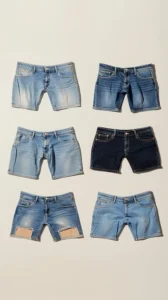
They also come in different washes and finishes. Raw denim is left dark and unwashed for a cleaner look, while stone washed or acid washed denim gives a lighter, faded appearance. Distressed denim is frayed or ripped on purpose to look worn in, and overdyed denim is dyed a second time to shift the base color entirely.
This variety in fabric treatment is why two pairs can look so different, even though they start from the same base material. A raw, dark pair reads as clean and modern, while a distressed, light wash pair leans nostalgic, closer to the look popularized in the 1990s.

Popular Styles and Variations
Jorts are not a single, fixed look. Over the years, several distinct variations have developed, each with its own audience: baggy, black, camo, long, rhinestone, and cargo style.

Baggy
This is the loose, roomy style most people picture first, covered in full detail in the guide on baggy jorts. It sits away from the body rather than hugging the leg, and usually extends past the knee. The fit became especially popular in hip hop and skate culture and remains one of the most searched variations today.
Black
This version, covered in the dedicated guide on black jorts, is dyed or washed in a solid black color instead of the classic blue denim shade. It tends to look sleeker and pairs more easily with a wider range of tops, which makes it a favorite for people who want the look without the traditional denim blue.
Camo
This variation, covered in the guide on camo jorts, uses a camouflage print instead of a solid wash. It leans into a rugged, outdoor inspired feel and appeals to people who want something bolder or more streetwear focused.
Long
This cut extends closer to the knee or even below it. It is the style that led the 2020s comeback, favored for its comfortable, relaxed silhouette, and it is often paired with sneakers and a simple top for an easy, put together look.
Rhinestone
This version adds sparkle and decoration to the classic denim short. Small crystals or studs are attached to the fabric, often along the pockets or hem, giving it a dressed up, statement piece feel. It is especially popular in women’s fashion and shows up frequently in festival and warm weather event styling.
Cargo Style
Borrowing from workwear and military design, this variation adds extra pockets and sometimes drawstring hems to a standard denim short base. It is a newer addition to the lineup, but it has found an audience among people who want function alongside the loose, casual fit.
Who Wears Them?
This style is worn by a wide range of people, though it carries a distinct reputation. For years, it was closely associated with what people jokingly call dad fashion, the kind of practical, oversized clothing worn by middle aged men who prioritize comfort over trend. This reputation stuck so strongly that the look became a common punchline in comedy sketches and online jokes, including a well known beer commercial and a late night talk show sketch built entirely around it.
- Wrestlers, rappers, and athletes who have worn the baggy version as part of their signature look for decades
- Models and celebrities who helped bring the trend back into mainstream fashion
- Everyday shoppers who choose it for comfort during hot weather, including a dedicated audience for jorts men prefer for casual and semi dressy occasions alike
Today, this look is worn by men and women of nearly every age group, flexible enough to work in casual, streetwear, and even semi elevated fashion contexts. The same silhouette that once signaled not trying very hard can now show up in a carefully styled outfit, proof that fashion cycles rehabilitate even the most mocked garments.
Is the Trend Still Current?
This style has gone through cycles of popularity since it first appeared. It was trendy in the 1980s and 1990s, fell out of favor in the years that followed, and made a strong return in the 2020s. This up and down pattern is normal for denim styles, which tend to resurface every couple of decades with small updates to fit and wash. The dedicated guide on whether jorts are in style covers current trend data in more depth.
- Fashion publications have featured jorts as a seasonal trend multiple summers in a row
- Demand has stayed steady rather than fading quickly like some short lived trends
- Longer, wide leg cuts remain the most requested style among shoppers
Because of this staying power, jorts are a safe choice for anyone looking to update their summer wardrobe without worrying the style will disappear overnight.
How to Style Jorts
Styling this look well often comes down to balancing the volume of the shorts with the rest of the outfit. Because the silhouette is already loose, pairing it with an equally oversized top can read as sloppy rather than intentional, so stylists often recommend contrasting proportions instead.
- Pair a baggy pair with a fitted or slightly cropped top to keep the silhouette balanced
- Add sneakers rather than sandals for a more current, streetwear influenced look
- Use a belt or chain to add structure to an otherwise loose outfit
For dressier occasions, rhinestone or embellished versions can be paired with heeled sandals for a look closer to going out wear. For errands, a plain pair with a t-shirt and sneakers remains the simplest combination.
Jorts for Different Body Types
Because the style comes in such a wide range of cuts, there is no single correct way to wear it, but a few general guidelines can help with fit.
- A slightly longer inseam tends to be more universally flattering than a very short cutoff
- Higher rise styles help balance proportions for people who want the shorts to sit closer to the natural waist
- Looser, baggier cuts are forgiving for almost every body type, part of why the silhouette has stayed popular
Comfort and personal preference matter more than any strict rule, and the range of available cuts means most people can find a version that works for them.
DIY: How to Make Your Own Jorts
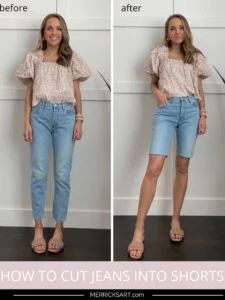
Making a pair at home is one of the simplest do it yourself projects in casual fashion, and it is how many people first encountered the style before it was sold in stores. The full walkthrough is covered in the dedicated guide on how to make jorts, but the basic process includes starting with an old pair of jeans, marking and cutting an even length on both legs, then fraying or hemming the edge for a finished look.
Homemade pairs tend to have more character than store bought ones, since no two cuts turn out exactly the same. This DIY tradition is part of why the style has such a strong connection to thrift and secondhand fashion.

Sustainability and the Denim Shorts Trend
Denim production has a real environmental footprint, from water use in growing cotton to the chemicals involved in certain washes. Because jorts are so often made by repurposing existing jeans rather than manufacturing something new, the style has an unusually strong connection to sustainable fashion practices.
- Cutting down old or damaged jeans instead of throwing them away
- Buying secondhand denim shorts from thrift stores rather than new ones
- Choosing brands that use recycled or organic cotton
This connection to upcycling is part of why the style has retained credibility even during the years it was mocked. A pair cut from old jeans is, in a small way, a rejection of fast fashion’s constant push toward buying something new.
Jorts in Pop Culture
Beyond fashion runways and store shelves, this style has shown up repeatedly in comedy, music, and television as shorthand for a certain kind of unpretentious masculinity, used as a visual punchline in sketches and commercials built around dad culture.
At the same time, jorts have a long history as an authentic style choice within specific communities, from professional wrestling to hip hop, where the look was never a joke but a genuine part of a performer’s identity. That tension between comedy prop and a real, proudly worn garment is part of what keeps it culturally interesting.
How to Choose the Right Pair for You
Picking the right pair comes down to a few simple factors. Length ranges from short cutoffs to long, near knee length styles, while fit options include baggy and relaxed cuts, the most popular choice right now, though slimmer fits are still available. Color and wash matter too, since classic blue denim is traditional, but black, camo, and other variations let you match different outfits.
Fabric weight also plays a role, since heavier denim holds up better over time while lighter denim is softer and easier to move in. Occasion matters as well, since plain, durable jorts work for everyday wear, while rhinestone or embellished versions suit dressier settings. For a full comparison of trusted retailers and price ranges, see the guide on best places to buy jorts.
Think about how you will wear them before buying. If comfort is the priority, a relaxed fit in durable fabric works well. If you want a specific look, a more decorated option like rhinestone or camo can help you stand out.
How to Care for Denim Shorts
Denim lasts longer with the right care.
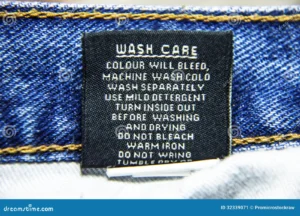
- Wash them inside out in cold water to protect the color and any distressed detailing
- Avoid washing too often, since frequent washing wears down denim fibers faster than normal use does
- Air dry instead of machine drying to help them keep their shape and prevent shrinking
Storing jorts folded rather than hung also helps, since hanging heavier denim can stretch the fabric over time. General fabric care guidance from resources like the American Cleaning Institute can help denim last even longer between wears.

Frequently Asked Questions
What are jorts?
The singular refers to one denim short, and the plural, jorts, is simply the common way people refer to the pair. The term blends jeans and shorts, and it describes shorts made from denim fabric, whether homemade from cut jeans or bought ready made.
What are jorts made of?
They are made from denim, a durable cotton fabric known for its diagonal weave pattern. Most pairs use one hundred percent cotton, though some modern versions include a small amount of stretch fabric for added comfort and flexibility.
Are jorts the same as jean shorts?
Yes. The word jorts is a casual nickname for denim shorts, though it is most often used to describe a specific baggy, oversized style rather than every type of jean short on the market.
Summary
Jorts blend the words jean and shorts into one simple term for a style of denim short that has moved through nearly every corner of American fashion. What started as practical summer wear in the 1960s grew into a defining piece of hip hop, skate, and streetwear fashion, then picked up a reputation as dad style before making a full comeback in the 2020s. The category now includes several types, including baggy, black, camo, long, rhinestone, and cargo style versions, each suited to a different audience. Made from sturdy cotton denim and available in countless washes and finishes, jorts have proven flexible enough to move from backyard barbecues to high fashion runways and back again, all while staying tied to thrift and DIY culture. Whether you are drawn to them for comfort, nostalgia, sustainability, or their current place in mainstream fashion, understanding where the style came from makes it easier to choose the right pair and wear it with confidence.


